Businesses Reconsider Workforce Reductions as Artificial Intelligence Fails to Replace Every Human Skill
Artificial Intelligence is changing the global workplace, transforming how businesses operate, manage tasks and deliver services. Many companies have started adopting AI-powered systems to automate repetitive activities, improve productivity and reduce operational expenses. However, an interesting shift is emerging in the employment market: some businesses are reconsidering earlier workforce reductions and bringing experienced employees back into their organisations.
According to the newspaper headline, companies are rehiring approximately 20% of employees who were previously laid off. The development highlights an important reality about AI adoption: although automation can handle several business activities, human experience, professional judgement and practical knowledge continue to play an important role.
This changing approach suggests that businesses may have underestimated the value of experienced workers when making decisions about AI-driven workforce restructuring.
Why Are Companies Rehiring Employees After AI-Related Layoffs?
When organisations introduce AI technologies, management teams often expect automation to complete certain tasks faster and at a lower cost. This expectation can encourage businesses to reduce the number of employees working in departments where AI tools appear capable of handling routine responsibilities.
However, implementing AI in a real business environment is more complicated than simply installing software.
Companies may discover that automated systems still require human supervision, corrections and regular monitoring. Employees who understand business operations can identify problems, manage unexpected situations and ensure that AI-generated results meet organisational requirements.
As a result, some businesses may decide that rehiring experienced workers is a better solution than depending entirely on automation.
1. Human Experience Still Matters in the AI Era
One of the biggest challenges of replacing employees with AI is the loss of practical knowledge.
Experienced workers understand internal company processes, customer expectations, business relationships and industry-specific challenges. Much of this knowledge develops through years of professional experience and cannot always be transferred into an AI system.
For example, an experienced customer service employee may understand how to manage a complicated customer complaint that requires empathy, communication and decision-making.
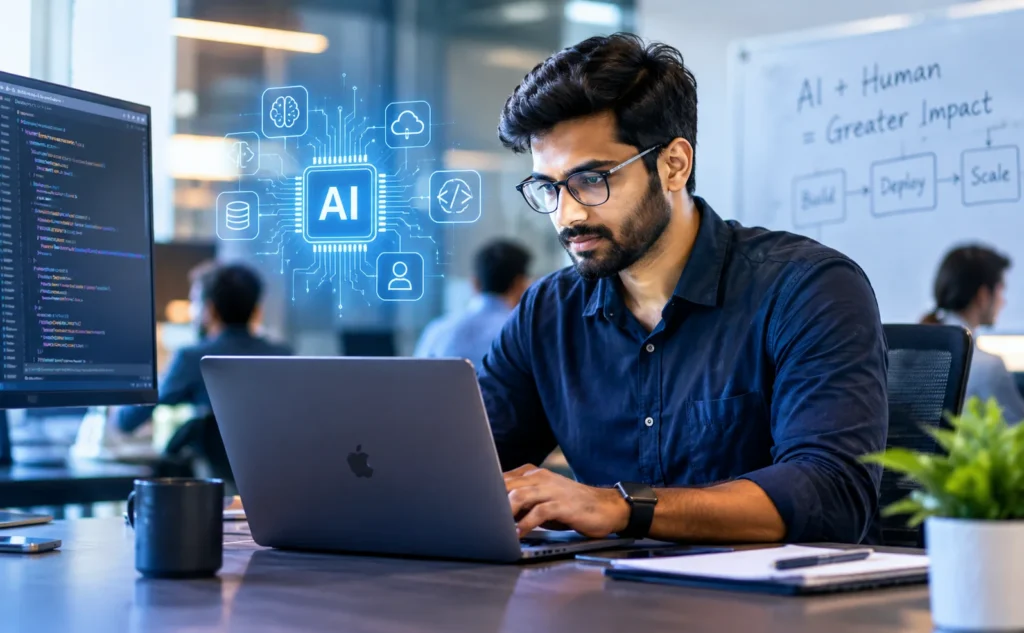
Similarly, an experienced software professional can identify technical problems, evaluate AI-generated code and make decisions that require an understanding of the wider project.
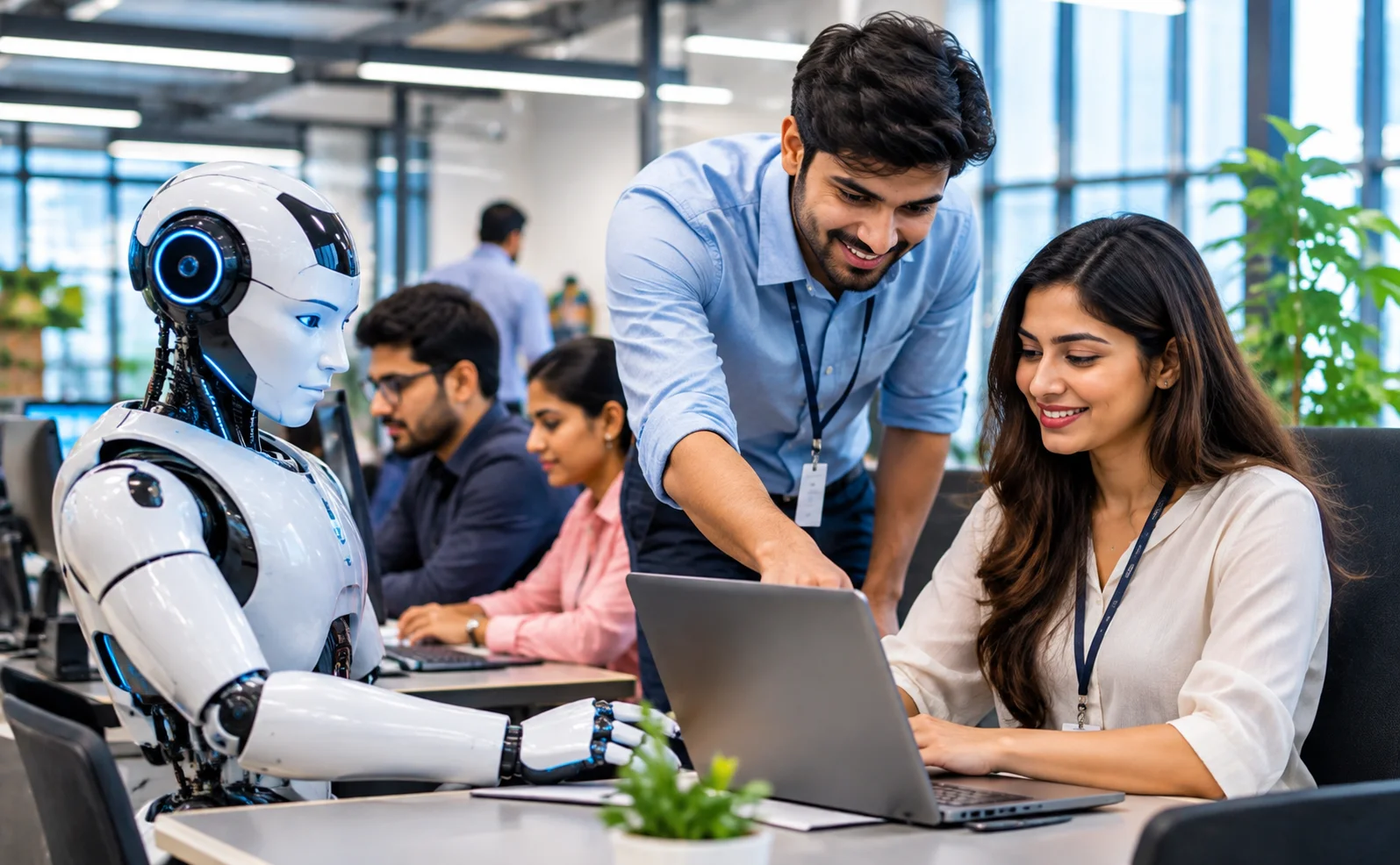
Companies are increasingly recognising that human experience can complement AI capabilities rather than simply compete with them.
2. AI Systems Still Need Human Supervision
Artificial Intelligence can process large amounts of information, generate content, analyse data and support business operations. Nevertheless, AI systems are not completely independent or error-free.
They can sometimes produce inaccurate information, misunderstand instructions or deliver results that require additional verification.
Human employees remain important for activities such as:
- Reviewing AI-generated information.
- Identifying errors and unusual results.
- Checking the quality of automated work.
- Managing complicated customer requirements.
- Making decisions that involve business responsibility.
- Ensuring that technology follows company policies.
This means that companies may need employees with technical understanding and professional experience to manage AI-powered workflows effectively.
3. Companies May Have Underestimated the Cost of Replacing Workers
Automation is often introduced as a way to reduce expenses. However, replacing employees with technology does not always produce the expected financial benefits.
Businesses may need to spend money on AI software, technical infrastructure, employee training, system integration and ongoing maintenance.
There can also be hidden costs when experienced employees leave.
Recruiting and training new workers takes time, while the loss of institutional knowledge can affect productivity and customer relationships.
If automated systems cannot perform certain responsibilities as effectively as expected, companies may find that bringing experienced employees back is a practical business decision.
4. AI Is Changing Jobs Rather Than Eliminating Every Role
The growing use of artificial intelligence is changing the nature of employment across several industries.
Instead of removing every position associated with a particular department, organisations may redesign jobs around a combination of human skills and AI tools.
For example:
Customer Support: AI chatbots can answer common questions, while human representatives handle complicated customer problems.
Software Development: AI coding assistants can help developers write and review code, while experienced engineers manage architecture, testing and complex technical decisions.
Marketing: AI can assist with research, content planning and data analysis, while marketing professionals develop strategies and understand customer behaviour.
Finance: Automated systems can organise information and support financial analysis, while qualified professionals review results and make important decisions.
This combination allows companies to benefit from automation without completely removing human involvement.
5. Experienced Employees Could Become More Valuable
The reported rehiring trend also highlights the importance of professional experience in a technology-driven economy.
Employees who understand both their industry and modern AI tools may become particularly valuable to businesses.
Organisations need people who can connect technological capabilities with real business requirements. Such professionals can help companies select appropriate AI solutions, improve workflows and identify areas where human involvement remains necessary.
This could create opportunities for experienced workers who are willing to update their technical knowledge and adapt to changing workplace expectations.
6. The Importance of AI Training and Upskilling
As businesses continue adopting artificial intelligence, employees may need to develop new skills to remain competitive.
Traditional professional knowledge is still important, but understanding how to work with AI systems can provide an additional advantage.
Some useful areas of learning include:
- AI tools and workplace automation.
- Data analysis and interpretation.
- Prompt writing and AI-assisted research.
- Digital communication and collaboration.
- Cybersecurity awareness.
- Critical thinking and problem-solving.
- AI output evaluation and quality control.
Companies can also invest in internal training programmes to help existing employees transition into roles that involve greater technological responsibility.
Rather than relying entirely on new recruitment, organisations may benefit from upgrading the skills of their current workforce.
7. What This Trend Could Mean for the Future Job Market
The relationship between artificial intelligence and employment is likely to remain an important topic for businesses, employees and policymakers.
Some jobs may experience significant automation, while other positions could change as AI becomes part of everyday professional activities.
The possibility of companies rehiring previously dismissed employees demonstrates that workforce decisions based only on automation expectations can carry risks.
In the coming years, businesses may focus more on identifying which responsibilities can be automated and which require human knowledge, communication and accountability.
This could encourage a more balanced employment strategy in which AI handles suitable repetitive activities while employees concentrate on complex and higher-value responsibilities.
Will AI Replace Human Employees Completely?
The answer depends on the type of work, the industry and the capabilities of the technology being introduced.
AI can already perform many repetitive and information-based tasks. However, several professional responsibilities still depend heavily on human judgement, contextual understanding, communication and accountability.
Even in highly automated workplaces, businesses need people to establish objectives, evaluate outcomes and manage situations that technology cannot handle independently.
Therefore, the future of employment may involve a combination of automation, human expertise and continuous learning rather than the complete replacement of workers.
Conclusion
The reported decision by companies to rehire approximately 20% of previously laid-off employees highlights an important challenge in the age of Artificial Intelligence.
While AI offers businesses opportunities to improve productivity and automate routine responsibilities, replacing experienced workers does not always deliver the expected results.
Human knowledge, professional judgement, customer understanding and the ability to manage complex situations continue to have considerable value.
For businesses, the lesson is that successful AI adoption requires more than reducing employee numbers. It requires finding the right balance between technology and human expertise.
For employees, the changing workplace offers an important message: developing new AI-related skills while strengthening existing professional experience could help them adapt to the next phase of the digital economy.