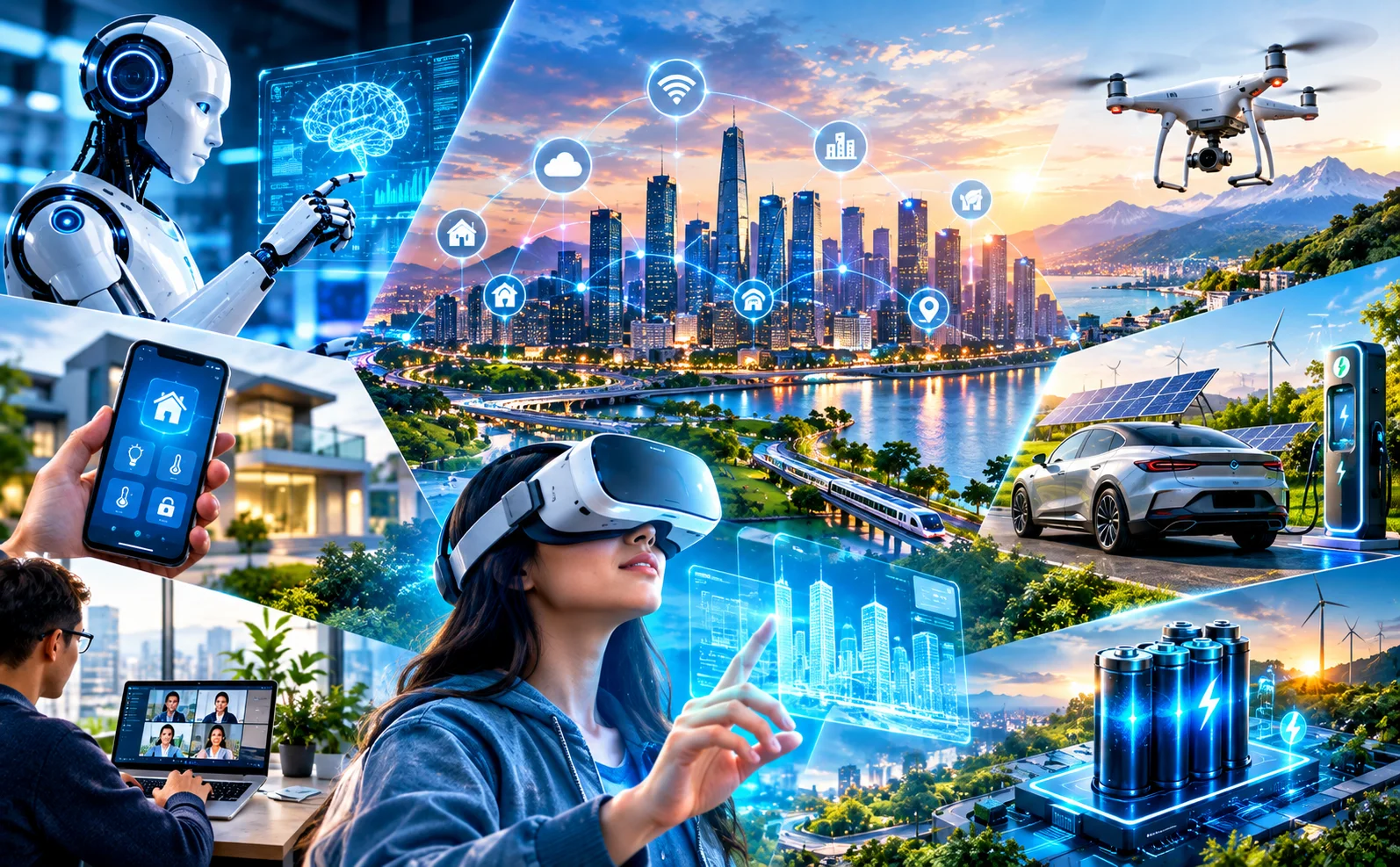
Technology is changing faster than ever, and innovations that once seemed like science fiction are gradually becoming part of everyday life. From artificial intelligence and advanced robotics to immersive digital experiences and cleaner energy systems, emerging technologies are reshaping the way people work, communicate, travel, and live.
For consumers, businesses, and industries, the next few years could bring significant changes. Some technologies are already being used commercially, while others are still developing in laboratories and research environments.
As technology continues to evolve, the idea of convenience is also changing. Comfort begins with technology that can understand our needs, simplify everyday tasks, and help us use our time more efficiently.
Here are five emerging technologies worth watching as the next generation of digital innovation takes shape.
1. Artificial Intelligence Becomes More Personal
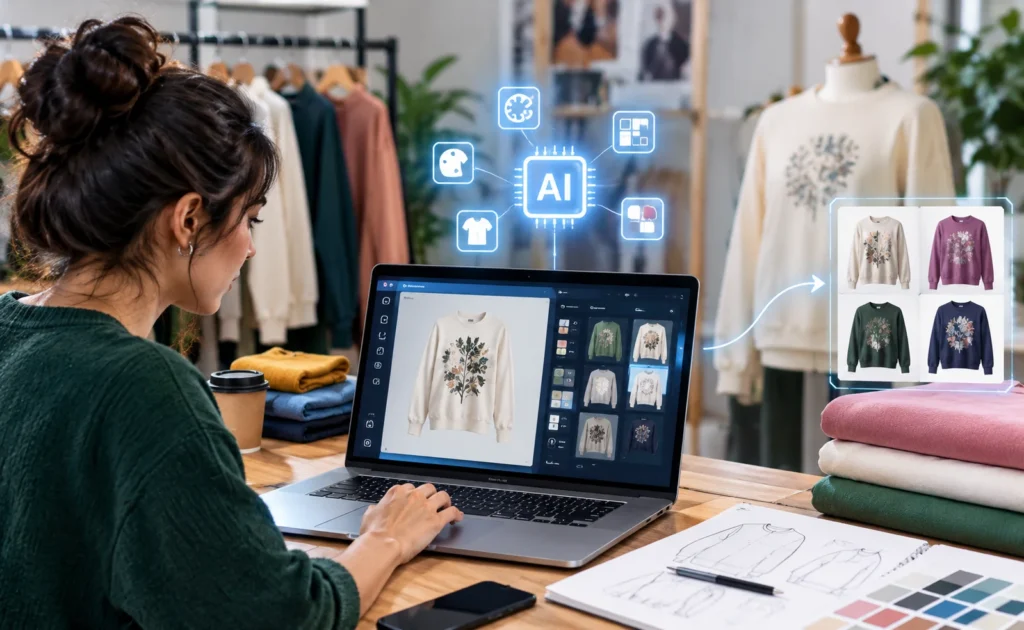
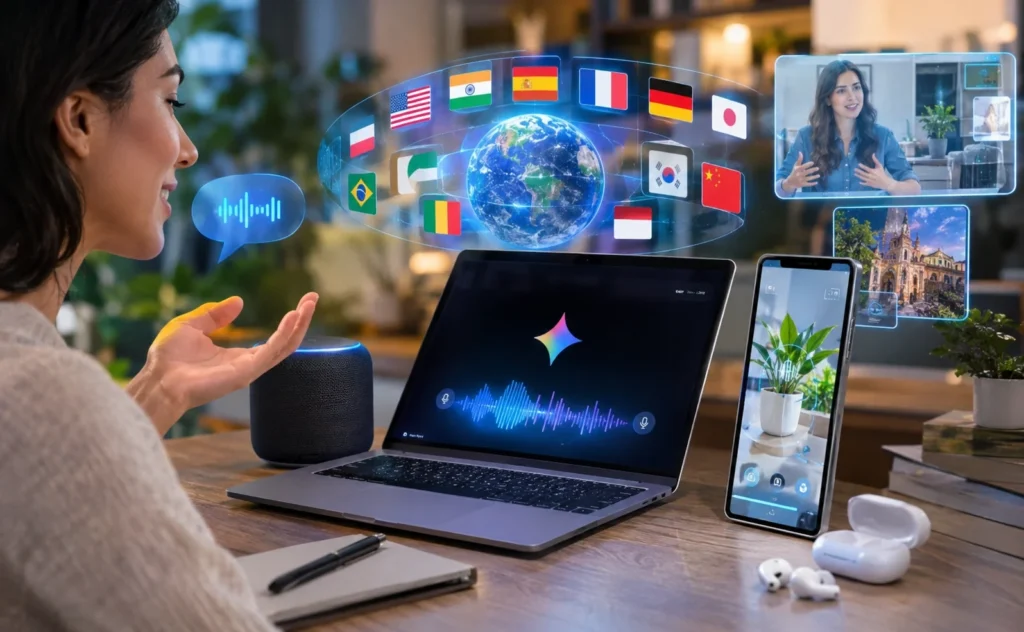
Artificial intelligence has moved beyond simple chatbots and recommendation systems. Modern AI is increasingly capable of understanding language, images, audio, documents, and complex instructions.
One of the most important developments is the rise of AI assistants and AI-powered applications that can perform multiple tasks instead of simply answering questions.
Future AI systems could help users organize schedules, summarize information, analyze documents, create content, assist with research, and interact with different software applications.
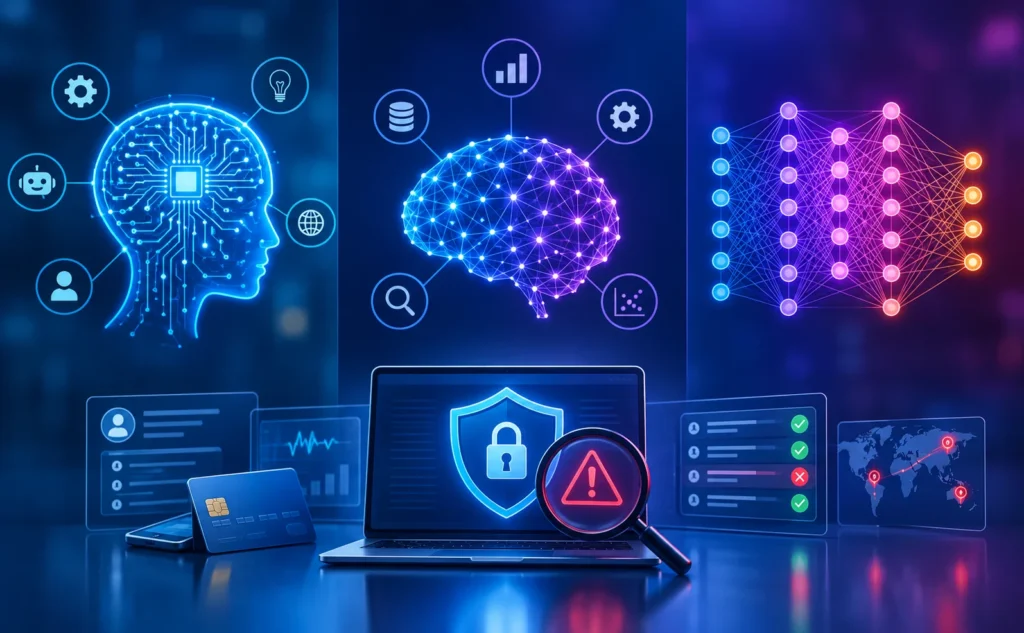
Businesses are also exploring AI for customer service, software development, marketing, data analysis, cybersecurity, and automation.
Why It Matters
The growing availability of AI could make sophisticated digital capabilities accessible to a much wider audience.
Instead of learning complicated software tools for every task, users may increasingly interact with technology through natural language.
The challenge will be ensuring that AI systems remain reliable, transparent, secure, and appropriately supervised when used for important decisions.
2. Humanoid Robots and Advanced Robotics
Robotics is another field experiencing rapid development.
Industrial robots have been used for decades, particularly in manufacturing. The next generation of robotics is moving toward machines capable of operating in environments designed for humans.
Humanoid robots are being developed to walk, manipulate objects, interact with people, and perform a growing variety of physical tasks.
Potential applications include manufacturing, logistics, warehouses, healthcare support, hospitality, maintenance, and other environments where repetitive or physically demanding work is required.
From Factories to Everyday Environments
The development of more capable sensors, computer vision, batteries, and AI systems is helping robots become more adaptable.
Rather than performing only one predefined movement, future robots may be able to understand their surroundings and respond to changing conditions.
This could eventually make robotics useful in environments where traditional industrial automation is difficult to deploy.
However, significant challenges remain, including safety, reliability, cost, energy consumption, and the ability of robots to operate consistently in unpredictable real-world situations.
3. Extended Reality and Spatial Computing
Virtual reality, augmented reality, and mixed reality are increasingly being combined under the broader concept of extended reality.
These technologies can change how people interact with digital information.
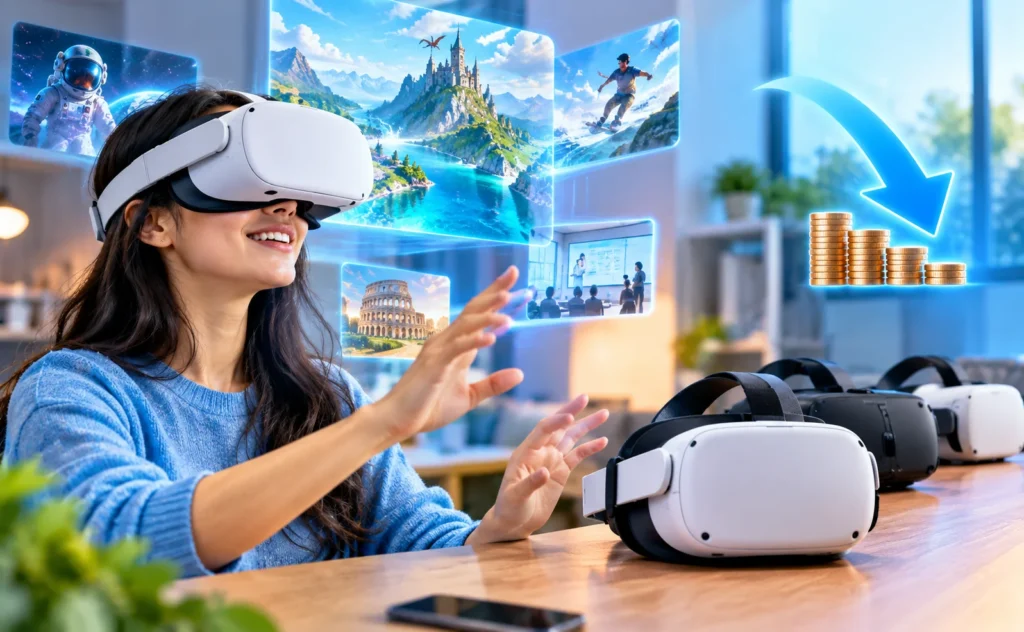
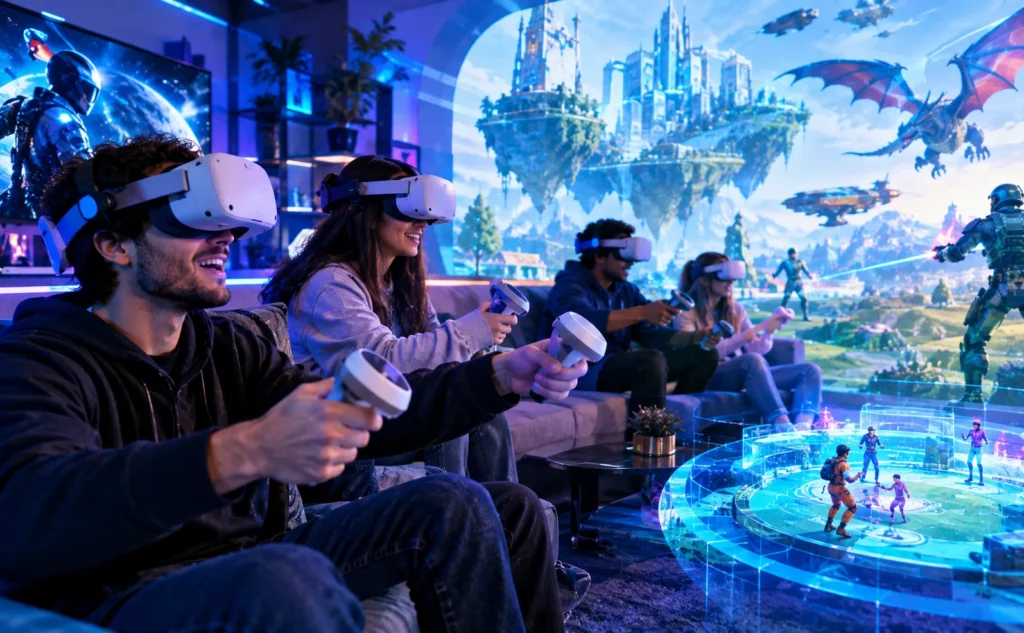
Virtual reality can create completely immersive environments, while augmented reality can place digital information over the physical world. Mixed-reality systems can combine physical and digital objects within the same interactive space.
Beyond Entertainment
Gaming remains an important application, but extended reality could also influence education, training, healthcare, design, engineering, retail, and remote collaboration.
For example, students could explore virtual environments while learning about science or history. Engineers could visualize complex designs in three dimensions. Employees could receive realistic training without needing access to expensive physical equipment.
The development of lighter headsets, better displays, improved tracking, and more powerful processors could make these technologies increasingly practical.
4. Next-Generation Connectivity
Connectivity is becoming increasingly important as more devices become intelligent and connected.
Future networks are expected to support huge numbers of connected devices while providing faster communication and lower latency.
The evolution of wireless technologies could support applications such as connected vehicles, smart infrastructure, industrial automation, remote monitoring, and advanced communication systems.
Connected Cities and Infrastructure
When sensors, vehicles, buildings, utilities, and public infrastructure can communicate with one another, cities can collect more information about how their systems operate.
Traffic management, energy consumption, public transportation, environmental monitoring, and infrastructure maintenance can all benefit from better connectivity.
The expansion of connected devices also increases the importance of cybersecurity. As more physical systems become digitally connected, protecting networks and devices becomes an increasingly important part of technology planning.
5. Clean Energy and Next-Generation Batteries
The future of technology is not limited to digital products. Energy technology is equally important.
Solar power, energy storage, electric vehicles, advanced batteries, and other clean-energy technologies are developing rapidly.
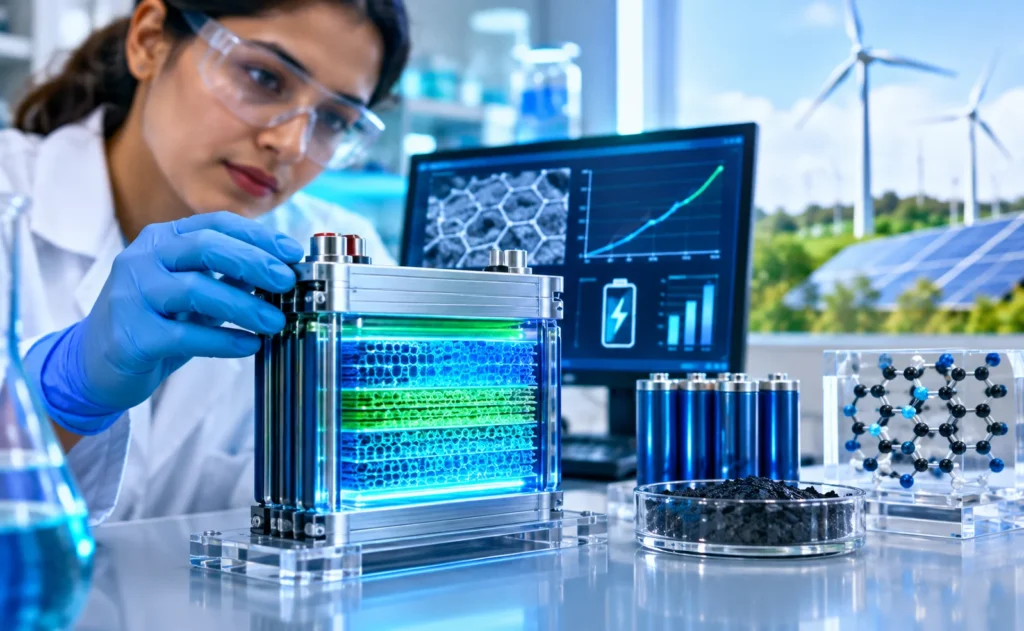
Battery technology is particularly important because better energy storage can support electric transportation, renewable energy systems, portable electronics, and backup power.
Researchers and companies are exploring different battery chemistries and energy-storage approaches with the goal of improving factors such as energy density, charging speed, durability, safety, and cost.
Why Energy Technology Matters
As more devices and vehicles become electrified, demand for reliable energy storage is expected to remain important.
Improved batteries could help electric vehicles travel farther, allow devices to operate longer, and make renewable-energy systems more flexible.
The development of cleaner and more efficient energy technologies could therefore influence many industries simultaneously.
AI and Emerging Technologies Are Converging
One of the most important trends is that these technologies are not developing independently.
Artificial intelligence can make robots more capable. Faster connectivity can help connected devices exchange information. Better batteries can improve electric vehicles and robots. Extended reality can use AI to create more responsive digital environments.
This convergence could produce entirely new products and services.
For example, an intelligent robot could use AI for decision-making, advanced sensors to understand its environment, wireless connectivity to communicate with other systems, and improved batteries to operate for longer periods.
The combination of technologies may ultimately be more significant than any individual innovation.
How These Technologies Could Change Everyday Life
Emerging technologies are likely to affect ordinary activities gradually rather than all at once.
People may experience these changes through smarter smartphones, AI assistants, connected homes, electric transportation, automated services, wearable devices, and increasingly personalized digital experiences.
In the workplace, automation could reduce repetitive tasks and allow employees to focus more heavily on creative, analytical, and interpersonal activities.
In education, immersive technologies and AI-powered tools could provide new ways of learning and accessing information.
Healthcare could benefit from improved monitoring systems, robotics, AI-assisted analysis, and connected medical devices.
The Importance of Human-Centered Technology
Technological progress is not simply about creating more powerful machines.
The most useful innovations are often those that solve practical problems and make technology easier to use.
A successful technology should ideally provide a clear benefit without creating unnecessary complexity.
This is where the idea that comfort begins with thoughtful technology becomes important. Devices and services should be designed around human needs rather than requiring people to constantly adapt to complicated systems.
Accessibility, privacy, safety, affordability, and ease of use will therefore remain important factors in determining how widely emerging technologies are adopted.
Challenges Ahead
Despite their potential, emerging technologies also bring significant challenges.
Privacy
AI systems, connected devices, and smart environments can process large amounts of information. Protecting personal data and giving users meaningful control over their information will remain important.
Cybersecurity
More connected devices create more potential entry points for cyberattacks. Security needs to be considered from the beginning of the design process rather than added later.
Cost and Accessibility
Advanced technologies can initially be expensive. Ensuring that useful innovations become accessible to a broad range of users will be an important challenge.
Workforce Changes
Automation and AI could change the types of skills businesses need. Education and professional training will need to evolve alongside technology.
Regulation and Responsible Development
Governments, technology companies, researchers, and communities will need to consider how emerging technologies should be developed and deployed responsibly.
What the Next Decade Could Bring
Predicting exactly which technologies will dominate the future is difficult. Some innovations that receive significant attention today may not achieve widespread adoption, while less visible technologies could become extremely important.
The most significant changes may come from technologies that successfully move from experimental projects into reliable, affordable products.
AI, robotics, spatial computing, connectivity, and clean-energy technologies are all areas worth watching because they have the potential to influence multiple industries.
Final Thoughts
The future of technology is already beginning to take shape.
Artificial intelligence is becoming more capable, robots are becoming more adaptable, immersive technologies are changing digital interaction, connectivity is expanding, and energy systems are evolving to support a more electrified world.
The most interesting developments may come when these technologies begin working together.
For consumers, the future could mean technology that is more personalized, more convenient, and increasingly integrated into everyday environments. For businesses, it could create new opportunities while also requiring significant adaptation.
Ultimately, the future will not be defined by technology alone. It will be shaped by how people, businesses, researchers, and communities choose to use these innovations.
As emerging technologies continue to develop, one thing is clear: the future is no longer a distant idea—it is being built today.