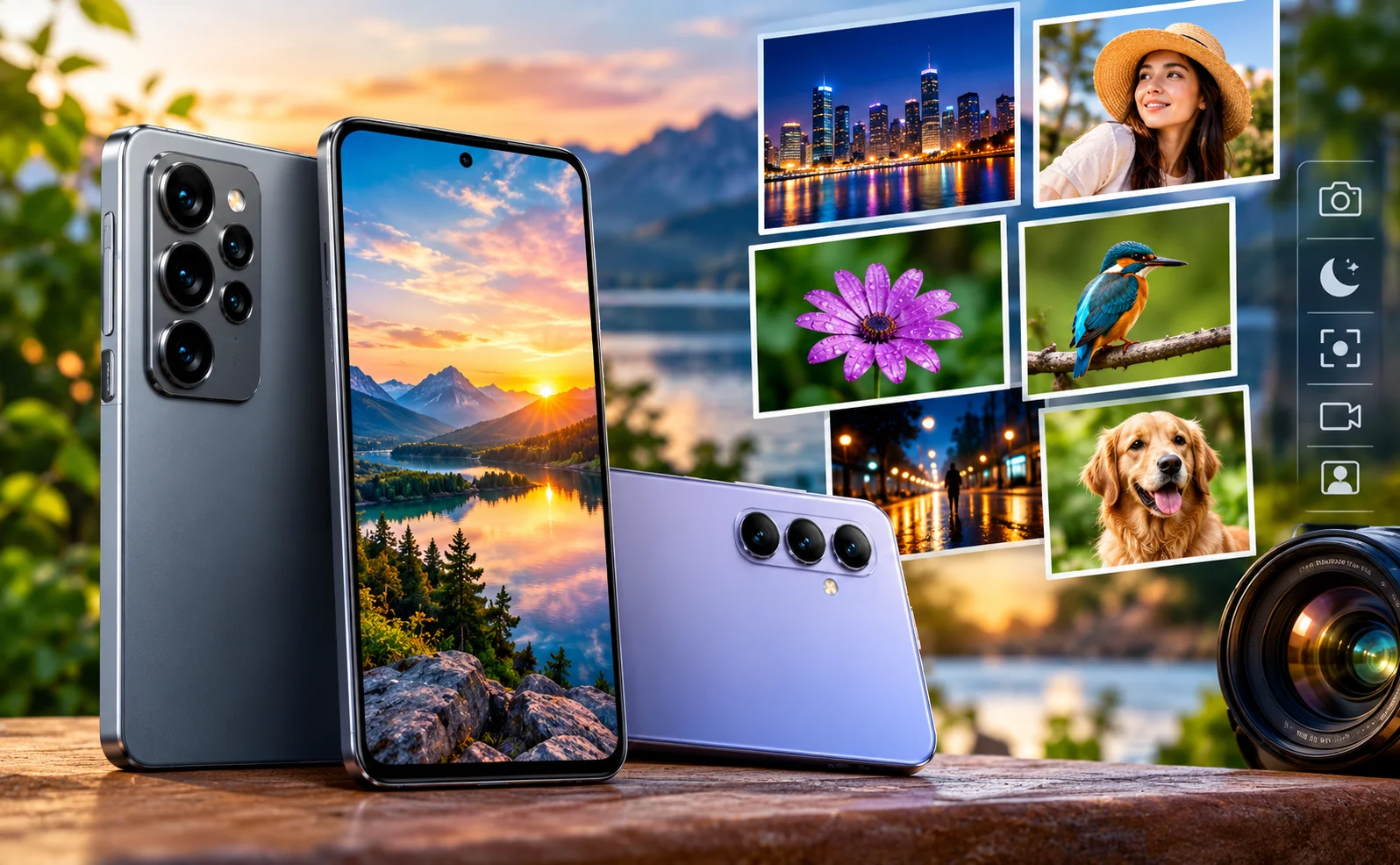
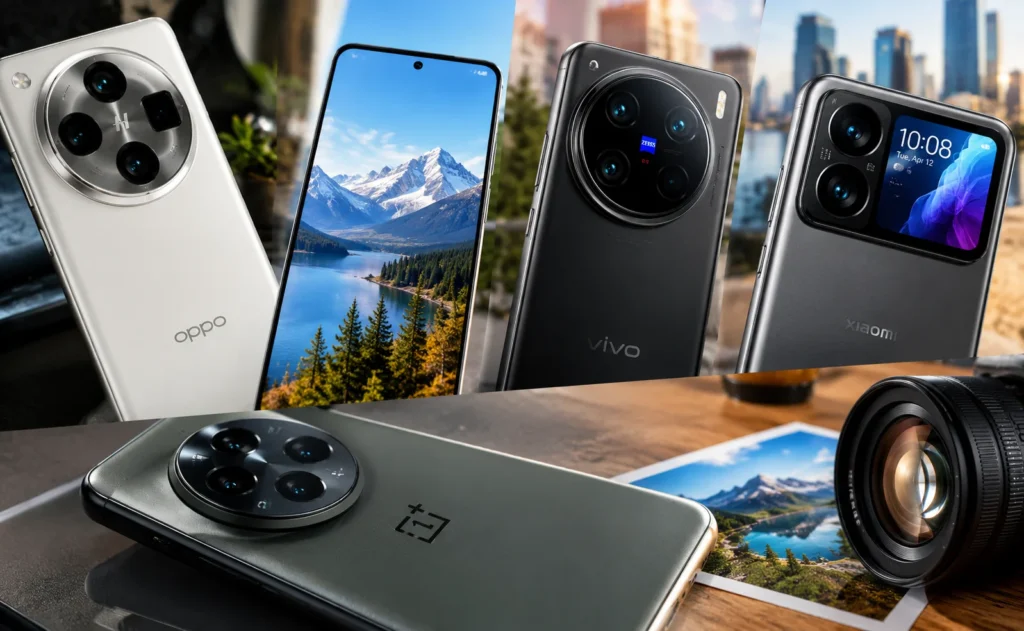
The smartphone industry is entering another exciting phase as manufacturers continue to improve camera technology across new devices. The latest generation of smartphones is focusing heavily on upgraded camera systems, better image processing, improved low-light photography, and advanced video recording capabilities.
For smartphone users, cameras have become much more than an additional feature. People increasingly rely on their phones to capture family moments, travel experiences, social media content, professional photographs, and videos. As a result, smartphone brands are investing heavily in hardware and artificial intelligence to deliver better results without requiring users to carry dedicated cameras.
A New Focus on Smartphone Photography
Modern smartphones are being designed with increasingly sophisticated camera systems. Instead of relying on a single camera, many new models feature multiple lenses designed for different photography situations.
Depending on the device, users may find combinations that include a primary wide camera, an ultra-wide camera, a telephoto lens, and specialized sensors for portraits or close-up photography.
The primary camera generally focuses on delivering detailed everyday photographs, while ultra-wide cameras allow users to capture more of a scene. Telephoto cameras, meanwhile, are designed to provide better zoom performance while maintaining more detail than traditional digital zoom.
This combination gives users greater flexibility when taking photographs in different environments.
Improved Low-Light Photography
One of the biggest areas of improvement in recent smartphone cameras is low-light photography.
Taking clear photographs at night has traditionally been difficult for smartphones because small camera sensors can struggle to capture enough light. Newer camera systems are addressing this limitation through larger sensors, wider apertures, optical image stabilization, and sophisticated computational photography.
Night photography modes can combine multiple exposures to produce brighter and more detailed images. Advanced image-processing systems can also reduce noise while attempting to preserve important details.
This means users can capture better photographs in restaurants, concerts, city streets, nighttime events, and other environments where lighting is limited.
Artificial Intelligence Is Changing Mobile Photography
Artificial intelligence has become an increasingly important part of smartphone camera technology.
Modern image-processing systems can automatically recognize different elements within a photograph and adjust settings accordingly. Depending on the device and software, the system may identify people, faces, landscapes, food, buildings, skies, or other objects.
AI-powered processing can help optimize exposure, colors, sharpness, noise reduction, and dynamic range.
Some smartphones are also introducing advanced editing tools that allow users to remove unwanted objects, improve portraits, adjust backgrounds, or make other changes directly from the phone.
The goal is to make sophisticated photography and editing accessible to ordinary users without requiring professional software.
Better Portrait Photography
Portrait photography is another area receiving significant attention.
New smartphones are using improved sensors, depth information, and computational photography to separate subjects from their backgrounds more accurately. This can create a natural-looking background blur while keeping the main subject sharp.
Improved skin-tone processing is also becoming an important part of smartphone photography. Manufacturers are working to produce more natural-looking portraits across different lighting conditions and skin tones.
For users who frequently create Instagram posts, profile pictures, short videos, or other social-media content, these improvements can make smartphone cameras considerably more useful.
Smartphone Cameras Are Becoming Better for Video
Camera improvements are not limited to still photography.
Video recording has become one of the most important features of modern smartphones. New models are increasingly focusing on stabilization, higher-resolution recording, improved microphones, better dynamic range, and enhanced low-light video.
Optical and electronic stabilization technologies can help reduce unwanted movement when recording handheld footage. This is particularly useful for travel videos, short-form content, interviews, and social-media videos.
Some advanced smartphones also offer professional-style controls that allow users to manually adjust settings such as exposure, focus, frame rate, and other recording parameters.
Faster and More Accurate Autofocus
Autofocus performance can have a major impact on the quality of both photographs and videos.
New camera systems are using faster focusing technologies to help smartphones lock onto subjects more quickly. Advanced subject detection can also help the camera maintain focus on people or moving objects.
This can be especially useful when photographing children, pets, sports, vehicles, or other subjects that move quickly.
Improved autofocus also benefits video creators because maintaining focus on a moving subject can make footage look significantly more professional.
The Importance of Image Stabilization
Camera stabilization has become another major feature in premium smartphones.
When taking photographs in low-light conditions, even small hand movements can result in blurry images. Optical image stabilization can help compensate for these movements by physically adjusting the camera’s optical system.
For video recording, stabilization can make handheld footage smoother and easier to watch.
This technology is particularly useful for creators who record content while walking, traveling, or working without a tripod.
More Powerful Zoom Capabilities
Smartphone zoom technology has also evolved considerably.
Traditional digital zoom can enlarge an image but often results in a noticeable loss of detail. Dedicated telephoto cameras can provide optical or optical-quality zoom at specific magnification levels, helping users capture distant subjects with greater clarity.
This can be particularly useful for travel photography, concerts, architecture, wildlife, and outdoor events.
Manufacturers are also combining optical hardware with computational processing to improve results at higher zoom levels.
What These Camera Upgrades Mean for Everyday Users
The biggest advantage of these improvements is convenience.
Users can now carry a device in their pocket that can handle a wide variety of photography and video situations. A single smartphone can be used for everyday snapshots, portraits, landscapes, night photography, social-media content, and high-quality video.
For content creators, improved cameras can reduce the need for additional equipment in certain situations. A smartphone may not completely replace professional cameras for every type of photography, but the gap continues to narrow for many everyday applications.
Impact on Social Media and Content Creation
The growth of platforms based around photos and short-form videos has also increased demand for better smartphone cameras.
Creators want devices capable of producing sharp vertical videos, attractive portraits, stable footage, and high-quality photographs that can be quickly edited and published.
Improved front-facing cameras are also becoming increasingly important as more people create selfies, video calls, livestreams, and short-form content.
With faster editing tools and AI-assisted features built directly into smartphones, the process from capturing content to publishing it can now take only a few minutes.
What to Consider Before Buying a New Smartphone
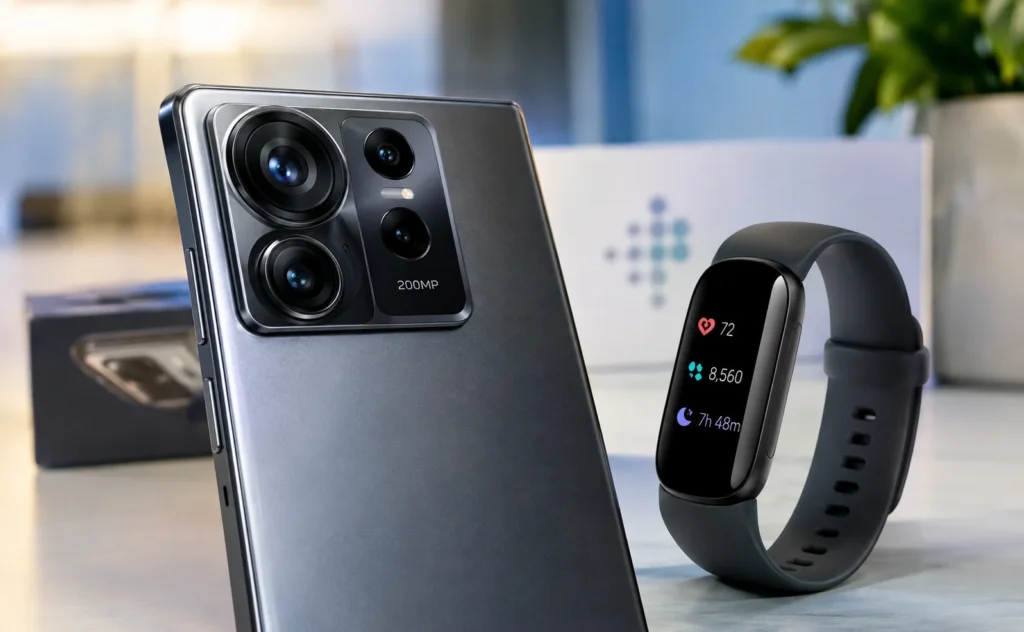
A large number of megapixels does not automatically mean a better camera. Buyers should consider the entire camera system rather than focusing on a single specification.
Important factors include:
- Main camera sensor size
- Lens quality
- Optical image stabilization
- Low-light performance
- Autofocus speed
- Telephoto and ultra-wide capabilities
- Video recording quality
- Front-camera performance
- Image-processing software
- AI-powered photography features
- Battery performance during camera use
Software optimization can sometimes have as much influence on the final photograph as the camera hardware itself.
The Future of Smartphone Camera Technology
The development of smartphone cameras is expected to continue as manufacturers compete to deliver better photography experiences.
Future devices may bring further improvements in computational photography, AI-powered editing, sensor technology, optical zoom, video stabilization, and real-time image processing.
Artificial intelligence could also make photography more personalized by automatically understanding a user’s shooting environment and adjusting multiple camera settings simultaneously.
As these technologies develop, smartphones are likely to become even more capable tools for photographers, travelers, social-media creators, and everyday users.
Final Thoughts
The latest generation of smartphone camera systems demonstrates how quickly mobile photography is evolving. Improvements in sensors, stabilization, zoom, autofocus, video recording, and AI-powered image processing are making smartphones increasingly versatile.
For consumers, these upgrades mean better photographs and videos without the need to carry complicated camera equipment. For content creators, they provide faster and more convenient ways to capture, edit, and publish content.
The competition between smartphone manufacturers is likely to push camera technology even further, making photography and video capabilities an increasingly important part of the smartphone experience.