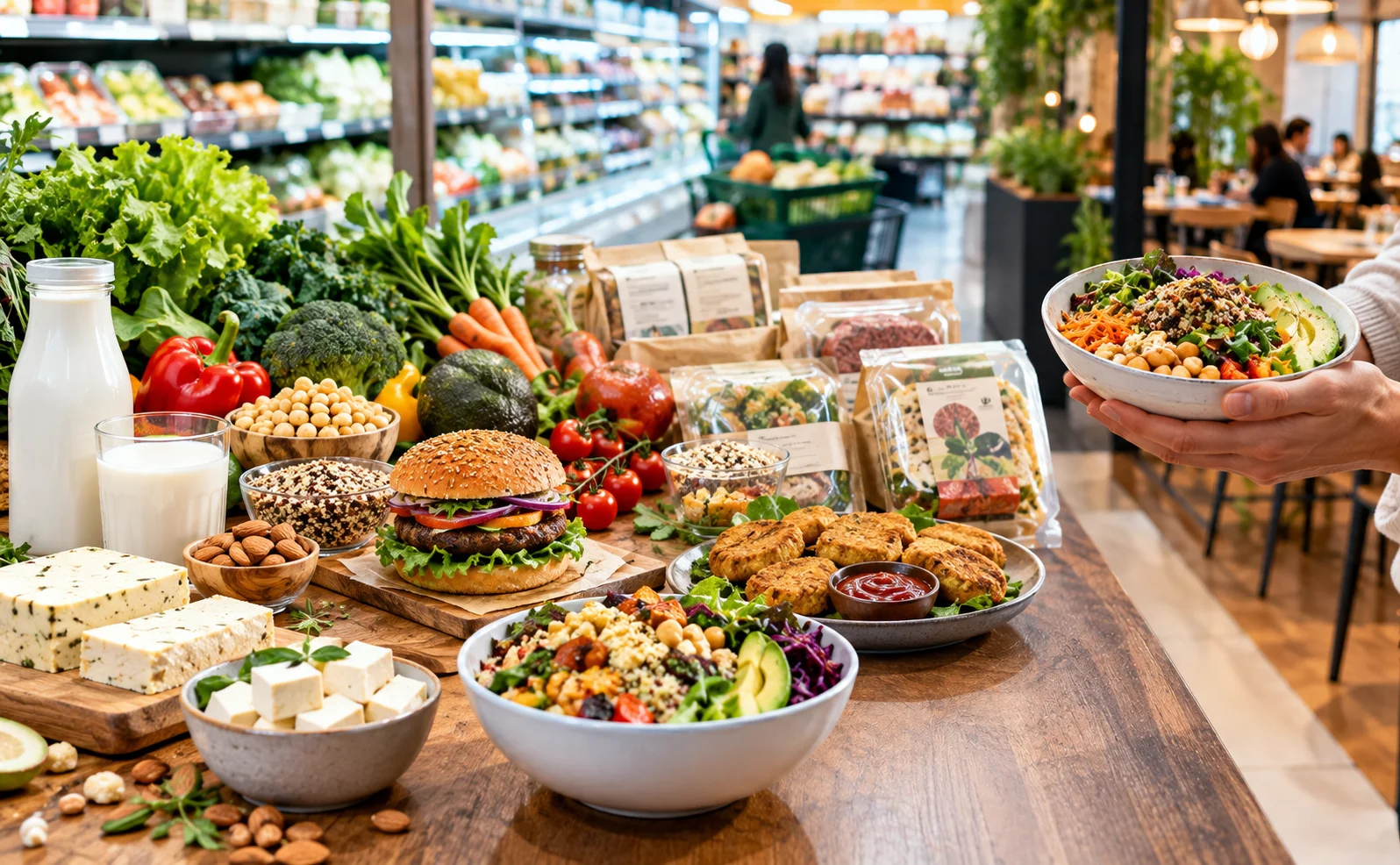
Plant-based food has moved far beyond a niche category and is becoming a familiar part of restaurant menus, supermarket shelves, cafés, and everyday meals. From plant-based burgers and dairy alternatives to ready-to-eat meals and protein-rich snacks, food companies are expanding their offerings to meet changing consumer preferences.
The growing interest in plant-based products is also influencing how restaurants develop menus and how supermarkets organize their food sections. Consumers are increasingly looking for products that fit different dietary preferences, lifestyles, environmental considerations, and nutritional goals.
Rather than being limited to people following fully vegetarian or vegan diets, plant-based products are increasingly being explored by consumers who simply want to include more plant-based foods in their regular meals.
Plant-Based Eating Moves Into the Mainstream
Plant-based food generally refers to foods made primarily from ingredients such as vegetables, fruits, grains, legumes, nuts, seeds, and other plants.
The category includes a wide range of products, including:
- Plant-based milk
- Meat alternatives
- Dairy-free yogurt
- Plant-based cheese
- Vegetarian ready meals
- Meat-free frozen foods
- Protein bars and snacks
- Plant-based desserts
- Alternative cooking ingredients
This variety has helped plant-based eating become more accessible to consumers who want to experiment with different foods without completely changing their existing diets.
Restaurants Expand Their Plant-Based Menus
Restaurants are playing an important role in the growth of plant-based food.
Many restaurants now include dedicated vegetarian dishes, while others offer plant-based versions of familiar meals. Burgers, pizzas, sandwiches, curries, pasta, tacos, bowls, and breakfast dishes can increasingly be prepared with plant-based ingredients.
For restaurants, offering these choices can help accommodate groups of customers with different dietary preferences.
A table might include someone who wants a traditional meat-based meal, another person who prefers vegetarian food, and someone looking for a completely dairy-free option. A broader menu can make it easier for restaurants to serve everyone without requiring customers to compromise on the type of meal they want.
Supermarkets Are Expanding Plant-Based Sections
The supermarket industry has also responded to changing food preferences.
Plant-based products can now be found across multiple sections of many grocery stores rather than being restricted to a small specialty-food area. Consumers may encounter alternatives in refrigerated sections, frozen-food aisles, beverage areas, snack sections, and even conventional dairy and meat categories.
This increased visibility makes it easier for shoppers to compare traditional products with plant-based alternatives.
Competition between food companies is also encouraging manufacturers to experiment with new flavors, textures, packaging, and ingredients.
Taste and Texture Remain Important
One of the biggest developments in plant-based food has been the focus on taste and texture.
Consumers generally expect alternatives to be enjoyable rather than simply serving as substitutes. Food manufacturers are therefore experimenting with different combinations of legumes, grains, vegetables, mushrooms, oils, proteins, and other ingredients to create products with appealing flavors and textures.
For meat alternatives in particular, texture can be an important part of the experience.
Companies are working to develop products that can perform well when grilled, fried, baked, or cooked in familiar recipes. The goal is increasingly to make plant-based products convenient and enjoyable rather than presenting them solely as specialty foods.
Plant-Based Milk Continues to Broaden Consumer Choice
Dairy alternatives have become one of the most recognizable parts of the plant-based food market.
Consumers can choose from products made using ingredients such as:
- Oats
- Soy
- Almonds
- Peas
- Coconut
- Cashews
- Rice
Different varieties can have different nutritional profiles, flavors, textures, and cooking characteristics.
Plant-based beverages are now commonly used in coffee, breakfast cereals, smoothies, baking, and cooking. Cafés have also helped normalize these options by offering multiple milk choices alongside traditional dairy.
Health and Nutrition Influence Purchasing Decisions
Nutrition is another factor shaping consumer interest in plant-based foods.
Many plant-based foods naturally provide nutrients such as fiber, vitamins, minerals, and plant proteins. Beans, lentils, peas, nuts, seeds, whole grains, fruits, and vegetables can all contribute to a varied diet.
However, not every packaged plant-based product automatically has the same nutritional profile.
Some highly processed alternatives can contain considerable amounts of sodium, added sugars, saturated fat, or other ingredients depending on the product. Consumers therefore benefit from checking nutrition labels and ingredient lists rather than assuming that every product marketed as plant-based is nutritionally identical.
Protein Has Become a Major Focus
Protein is particularly important in the development of modern plant-based foods.
Traditional plant protein sources include beans, lentils, chickpeas, peas, soy, nuts, and seeds. Food manufacturers are also using plant proteins in processed products designed to provide convenient protein-rich meals and snacks.
Soy and pea proteins, for example, are used in a variety of commercially produced foods.
As interest in protein-rich diets continues, companies are increasingly highlighting protein content on packaging while developing products designed for breakfast, lunch, snacks, and quick meals.
Sustainability Is Part of the Conversation
Environmental considerations have also contributed to interest in plant-based eating.
Food production can have significant environmental impacts involving land, water, energy, transportation, and agricultural resources. Plant-based foods are therefore often discussed as one possible component of broader efforts to create more sustainable food systems.
The environmental impact of individual foods can vary substantially depending on farming practices, processing methods, transportation, packaging, and other factors.
Because of this complexity, consumers and businesses are increasingly looking beyond simple labels and considering the full production process.
Food Companies Are Investing in Innovation
The growing interest in plant-based products has encouraged food manufacturers to experiment with new technologies and ingredients.
Companies are working on improvements in areas such as:
Better Ingredients
Researchers are exploring new sources of plant protein and other ingredients that can improve flavor, texture, nutrition, and functionality.
Improved Food Processing
Modern food-processing techniques can help transform plant ingredients into products that behave differently during cooking.
New Product Categories
Plant-based innovation is expanding beyond burgers and milk into seafood alternatives, eggs, desserts, snacks, sauces, and prepared meals.
More Convenient Foods
Ready-to-cook and ready-to-eat plant-based products are becoming increasingly important as consumers look for convenient meal solutions.
Plant-Based Food Is Becoming More Diverse
The plant-based category is no longer centered around simply recreating meat or dairy products.
Many consumers are also interested in traditional foods that are naturally plant-based. Foods based on vegetables, grains, beans, lentils, spices, fruits, and regional cooking traditions can offer plant-based choices without requiring highly processed substitutes.
This creates opportunities for restaurants and food companies to combine traditional recipes with modern food trends.
For example, plant-based versions of popular regional dishes can introduce new consumers to vegetarian cooking while maintaining familiar flavors and preparation styles.
Convenience Is Driving Product Development
Modern consumers often have busy schedules, making convenience an important factor in food purchasing.
Plant-based manufacturers are responding with frozen meals, packaged snacks, instant foods, prepared ingredients, and quick-cooking products.
Convenience can make it easier for consumers to include more plant-based foods without spending significant additional time preparing meals.
Supermarkets are also expanding their selections of prepared vegetarian and plant-based foods, giving shoppers more options for quick lunches and dinners.
Restaurants See Opportunities Beyond Vegan Customers
Plant-based menu development does not necessarily target only consumers who follow a vegan diet.
A growing group of consumers may choose plant-based meals occasionally while continuing to eat other foods.
These customers may select a vegetable-based meal because they want variety, are curious about a new dish, prefer certain ingredients, or simply enjoy the taste.
This broader audience gives restaurants an opportunity to treat plant-based dishes as regular menu items rather than specialized alternatives.
Challenges Facing the Plant-Based Food Industry
Despite its growth, the plant-based food sector faces several challenges.
Price remains an important consideration. Some specialized products can be more expensive than conventional alternatives, although pricing varies considerably by product, brand, ingredients, and market.
Taste and texture are also ongoing challenges. Consumers may be willing to try a new product but are less likely to purchase it repeatedly if they do not enjoy the eating experience.
Another issue is consumer understanding. Terms such as “plant-based,” “vegan,” “vegetarian,” and “dairy-free” can describe different product characteristics, making clear labeling important.
Food manufacturers must also balance nutrition, affordability, sustainability, shelf life, and taste when developing new products.
The Future of Plant-Based Food
The future of plant-based food is likely to involve both specialized alternatives and naturally plant-based meals.
Food companies are expected to continue experimenting with new ingredients, improved formulations, and more convenient products. Restaurants may also expand plant-based options across breakfast, lunch, dinner, desserts, and snacks.
Technology could further influence the industry by helping manufacturers improve food texture, ingredient efficiency, processing, and nutritional characteristics.
At the same time, consumers are likely to become more selective. Instead of choosing a product simply because it carries a plant-based label, shoppers may increasingly compare its ingredients, nutritional information, price, taste, and environmental claims.
Conclusion
Plant-based food has become an increasingly visible part of the modern food industry, influencing everything from supermarket shelves to restaurant menus and food manufacturing.
The trend is being shaped by several factors, including changing dietary preferences, interest in nutrition, convenience, environmental concerns, and improvements in food technology. Importantly, plant-based eating is no longer limited to a small group of consumers. Many people are experimenting with plant-based meals while maintaining a flexible approach to their overall diet.
As food companies continue to improve taste, nutrition, affordability, and convenience, plant-based products are likely to remain an important part of the evolving global food market.