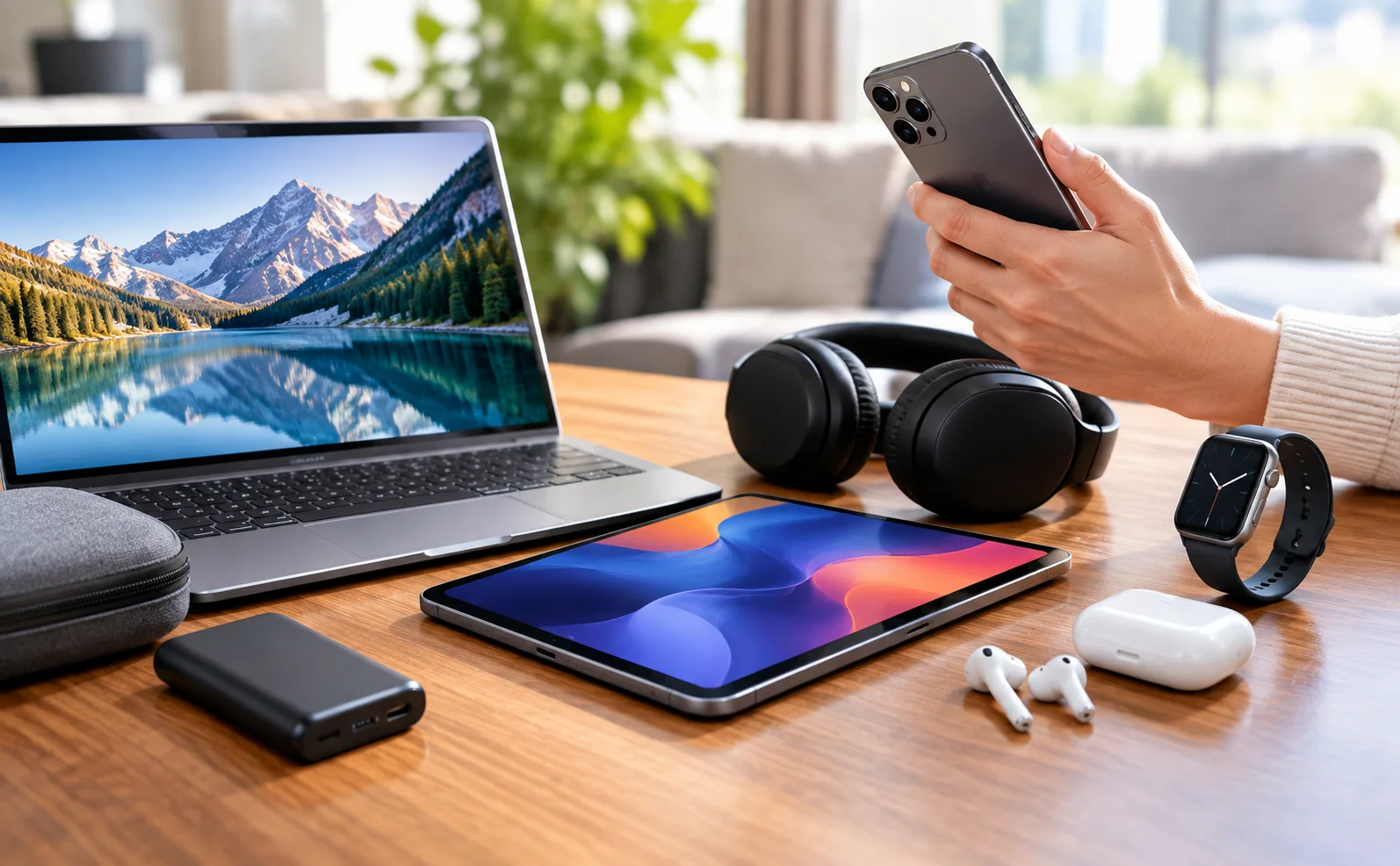
Consumer electronics are becoming increasingly portable as manufacturers look for ways to make devices thinner, lighter, and easier to carry without sacrificing performance. From smartphones and laptops to tablets, headphones, smartwatches, and other connected products, reducing weight has become an important part of modern product design.
The shift toward lightweight electronics is being driven by changing consumer habits, advances in materials, smaller components, improved battery technology, and the growing popularity of mobile computing. However, making a device lighter is not simply a matter of removing components. Engineers must balance weight, durability, battery life, performance, cooling, and manufacturing costs.
Why Lightweight Electronics Are Becoming More Important
Consumers increasingly carry several electronic devices throughout the day. Smartphones, laptops, tablets, earbuds, smartwatches, portable gaming systems, and cameras can all become part of a person’s daily routine.
A lighter device can be easier to carry, particularly when it is used for long periods or transported frequently.
For laptops and tablets, weight can be especially important for students, travelers, remote workers, and professionals who regularly move between locations.
Manufacturers are therefore exploring new designs that reduce unnecessary weight while maintaining the features consumers expect.
Advances in Materials
One of the major ways manufacturers can reduce device weight is through improved materials.
Traditional metals remain widely used because they can provide strength and durability, but engineers are also exploring advanced alloys, composites, engineered plastics, and other lightweight materials.
Materials used in premium electronics need to meet several requirements. They must be strong enough to withstand everyday use while also supporting efficient manufacturing.
In some products, manufacturers use different materials for different sections of the device rather than relying on a single material throughout.
Smaller Internal Components
Another factor contributing to lighter electronics is the continuing miniaturization of internal components.
Processors, memory modules, cameras, sensors, connectivity hardware, and other electronic components can increasingly fit into smaller spaces.
Smaller components allow engineers to create more compact internal layouts. This can provide additional flexibility when designing thinner and lighter products.
Miniaturization is particularly important for wearable devices, where even a small reduction in size or weight can influence comfort.
The Battery Challenge
Battery technology presents one of the biggest challenges for lightweight device design.
Batteries can account for a significant portion of a portable device’s weight. At the same time, consumers expect modern electronics to provide long operating times.
Reducing battery size may make a product lighter, but it can also reduce its operating time.
Manufacturers are therefore exploring improvements in battery chemistry, energy density, charging systems, and power management.
Software optimization also plays an important role. More efficient processors and operating systems can reduce energy consumption, allowing devices to achieve longer battery life without requiring proportionally larger batteries.
Lightweight Laptops for Mobile Work
Laptops are among the clearest examples of the industry’s focus on portability.
Modern lightweight laptops can combine relatively large displays, capable processors, high-speed storage, wireless connectivity, and long battery life within compact designs.
For people who regularly work outside a traditional office, portability can be an important consideration.
However, extremely thin laptops can create engineering challenges involving cooling, repairability, ports, and component upgrades.
Manufacturers must therefore decide which features to prioritize when designing increasingly compact computers.
Smartphones Continue to Shrink in Some Areas
Smartphones have also benefited from advances in component miniaturization.
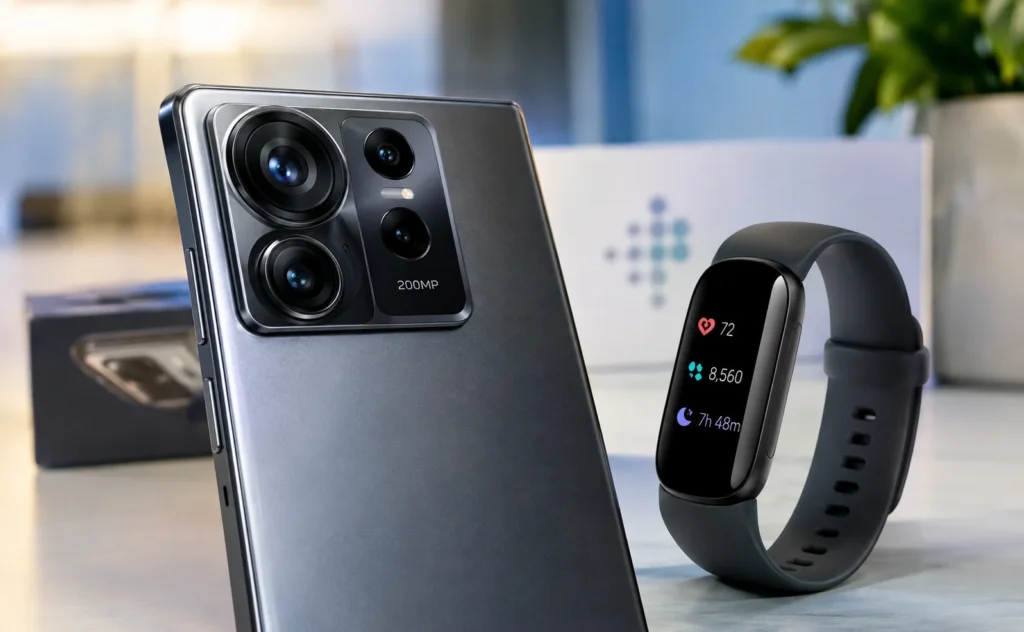
Modern smartphones contain cameras, processors, batteries, antennas, sensors, speakers, displays, and other hardware within a relatively small body.
Reducing weight while adding new features can be difficult.
Larger camera systems, bigger batteries, stronger materials, and more advanced displays can all increase weight. Engineers therefore have to balance these additions against the demand for comfortable, portable devices.
Wearable Technology and Comfort
Wearable electronics make lightweight design particularly important.
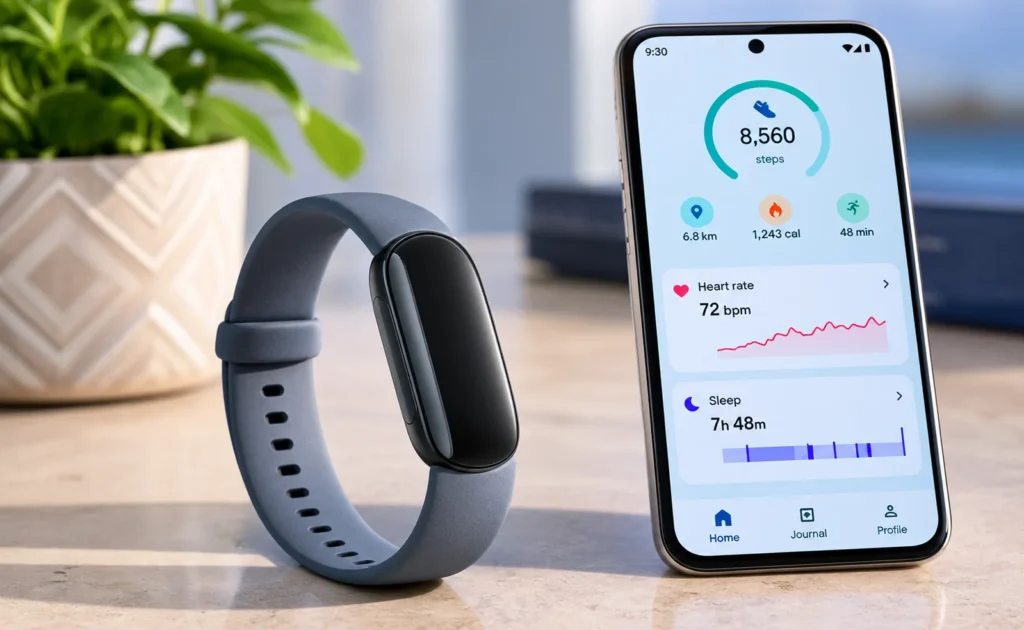
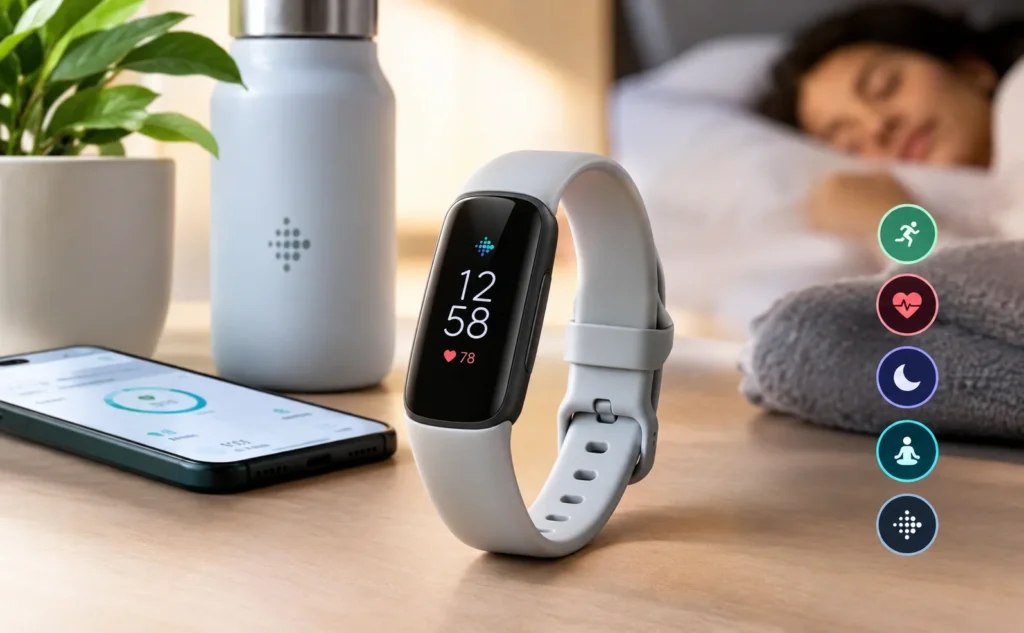
Smartwatches, fitness trackers, wireless earbuds, and smart glasses are designed to be worn or carried for long periods. A device that feels uncomfortable or heavy may discourage users from wearing it regularly.
For this reason, manufacturers are exploring compact batteries, smaller sensors, lightweight frames, and improved materials.
Future wearable products may become increasingly integrated into everyday clothing and accessories.
Lightweight Does Not Mean Fragile
Reducing weight does not necessarily mean reducing durability.
Modern engineering techniques allow manufacturers to create structures that are lightweight while still providing significant resistance to everyday impacts and bending.
The challenge is finding an appropriate balance.
A device needs to survive drops, pressure, temperature changes, transportation, and regular handling. Manufacturers therefore conduct various durability tests before products reach consumers.
Cooling Thin Devices
Heat management becomes more complicated as electronics become thinner.
High-performance processors generate heat, particularly when running demanding applications such as gaming, video editing, artificial intelligence, or professional software.
A larger device can provide more physical space for cooling systems. Thin devices have less room for fans, heat pipes, thermal materials, and other cooling components.
Engineers are therefore developing more efficient cooling designs and increasingly energy-efficient processors.
Improved software can also help by adjusting processor performance according to workload and temperature.
The Role of Artificial Intelligence
Artificial intelligence is influencing lightweight device design in several ways.
AI-powered applications require significant processing capabilities, but manufacturers increasingly want to perform some AI tasks directly on devices rather than sending every request to remote servers.
This has encouraged the development of processors with dedicated AI capabilities.
Efficient AI hardware can potentially deliver useful performance without requiring large increases in power consumption or device size.
As AI becomes more common in smartphones, laptops, cameras, and other consumer products, energy-efficient local processing is likely to become increasingly important.
Portability and Remote Work
The growth of flexible and remote work has also increased interest in portable electronics.
Professionals may work from homes, offices, cafés, coworking spaces, airports, or while traveling.
A lightweight laptop with a long-lasting battery can make mobile work easier because users do not have to carry heavy equipment.
Tablets and compact accessories can also provide additional flexibility for people who frequently move between locations.
Lightweight Gaming Devices
Portable gaming is another area where manufacturers are trying to balance performance and weight.
Handheld gaming systems need powerful processors, graphics capabilities, displays, controls, batteries, and cooling systems.
Adding more performance can increase both power consumption and weight.
The development of more efficient processors and display technologies could help manufacturers create portable gaming devices that deliver stronger performance without becoming excessively heavy.
Sustainability and Material Efficiency
Lightweight design can also have environmental implications.
Using less material in a product may reduce the amount of raw material required during manufacturing. Lighter products can potentially require less packaging material and may be cheaper to transport because of their lower weight.
However, sustainability is more complicated than simply making products lighter.
Manufacturers also need to consider product lifespan, repairability, recycling, battery replacement, manufacturing processes, and the environmental impact of the materials used.
A lightweight product that becomes difficult to repair or recycle may create other environmental challenges.
The Repairability Question
One issue associated with increasingly thin electronics is repairability.
When components are tightly integrated into a compact design, replacing individual parts can become more difficult.
Some modern devices use highly integrated internal components that require specialized equipment for repair.
Consumers, regulators, and technology organizations are increasingly paying attention to product repairability and longevity.
Future product designs may need to balance thinness and portability with easier maintenance and longer usable lifespans.
What Consumers Can Expect
The focus on lightweight technology is likely to continue across multiple categories.
Future devices may combine:
- More efficient processors
- Higher-density batteries
- Lightweight structural materials
- Smaller sensors
- Improved cooling systems
- More compact connectivity hardware
- Better power-management software
- Integrated artificial intelligence capabilities
These improvements could allow manufacturers to add new functionality without increasing device size and weight at the same rate.
The Future of Portable Electronics
The next generation of consumer electronics may increasingly focus on the idea of doing more with less physical hardware.
Smartphones may become more capable while maintaining compact designs. Laptops could become thinner while offering improved battery efficiency. Wearable devices may integrate additional sensors without becoming uncomfortable.
New product categories could also emerge as advances in materials, batteries, processors, and flexible electronics make previously impractical designs possible.
At the same time, manufacturers will need to address durability, repairability, sustainability, and affordability.
Conclusion
The consumer electronics industry is placing increasing emphasis on lightweight and portable products as people rely more heavily on technology throughout their daily lives.
Advances in materials, component miniaturization, battery technology, processor efficiency, cooling systems, and AI hardware are helping engineers explore new approaches to portable design.
However, reducing weight involves difficult trade-offs. Manufacturers must balance portability with battery life, performance, durability, thermal management, repairability, and environmental considerations.
The future of lightweight electronics will therefore not simply be about making devices thinner. It will be about creating products that are easier to carry while remaining powerful, durable, energy-efficient, and practical for long-term use.